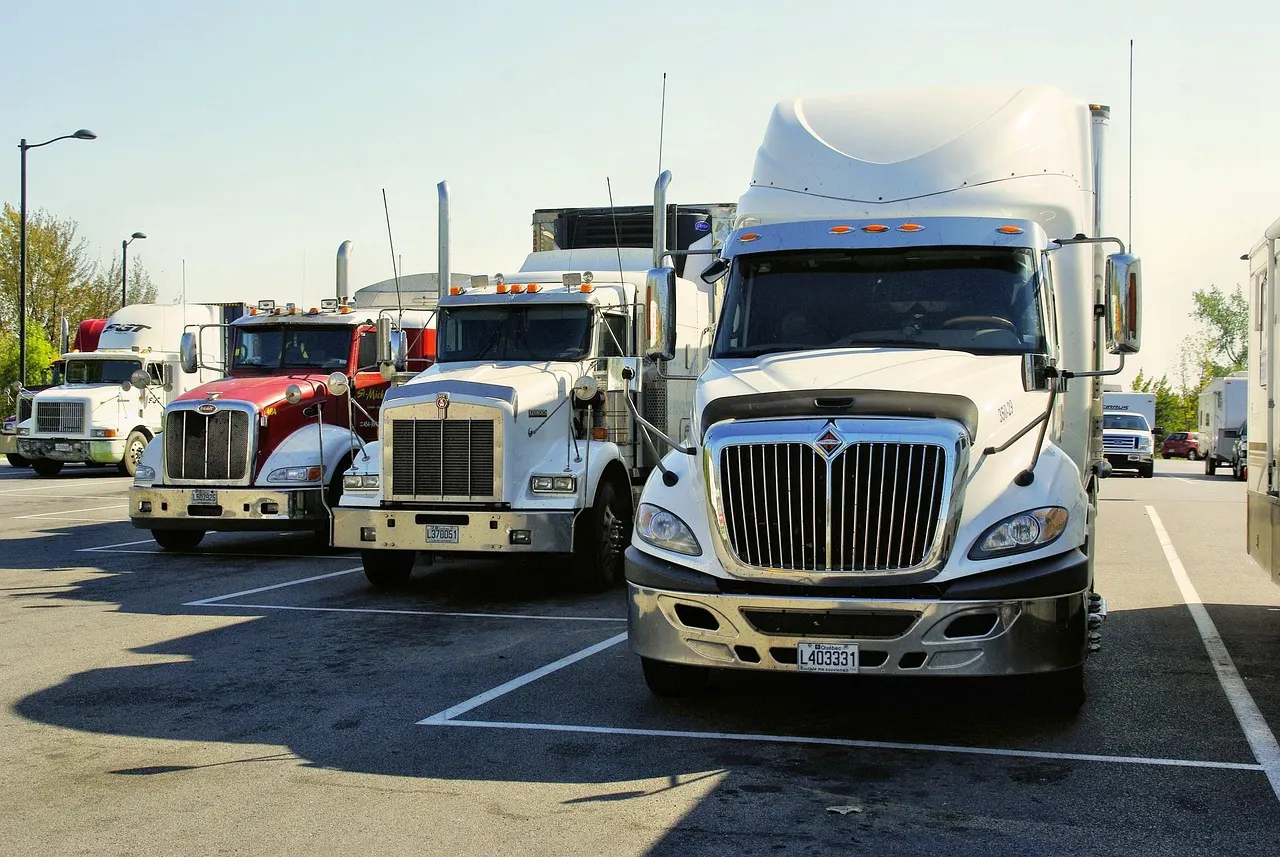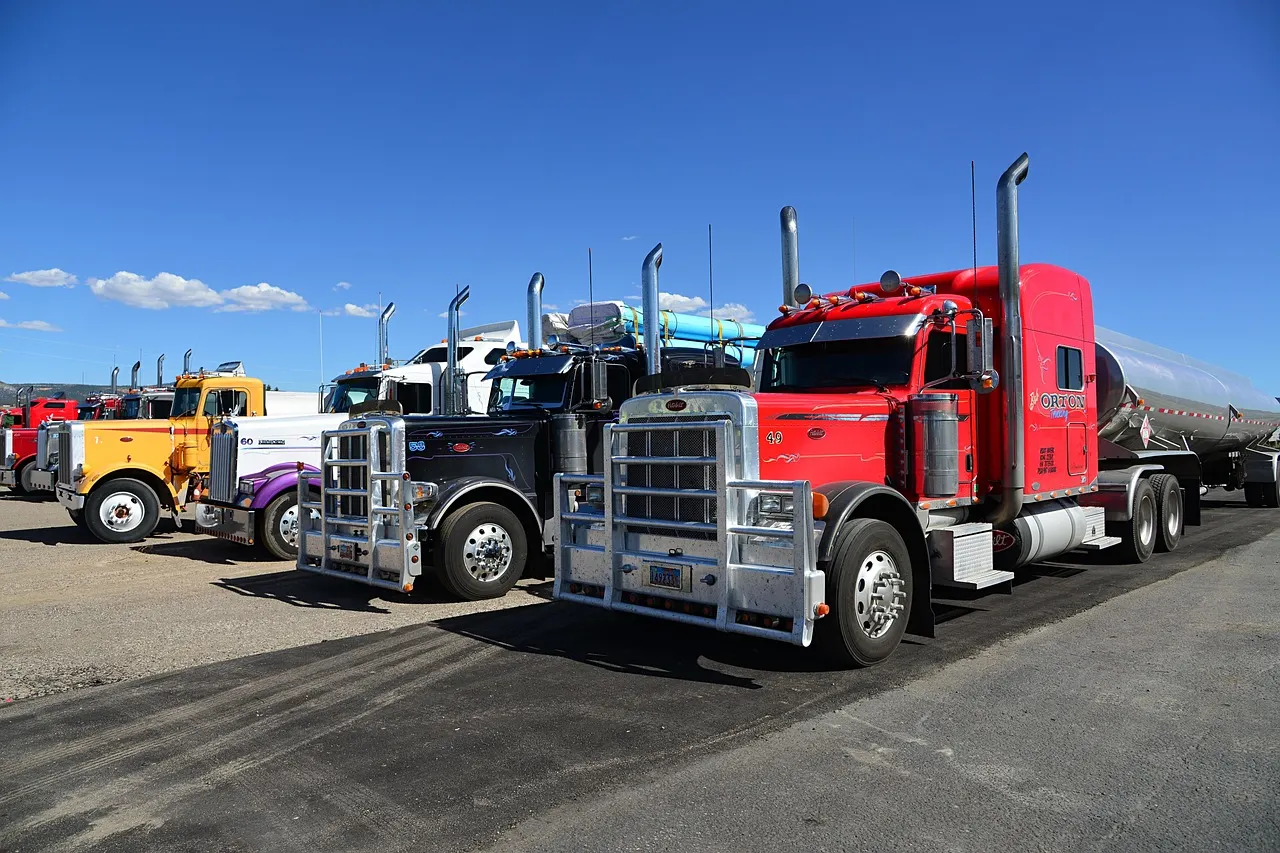

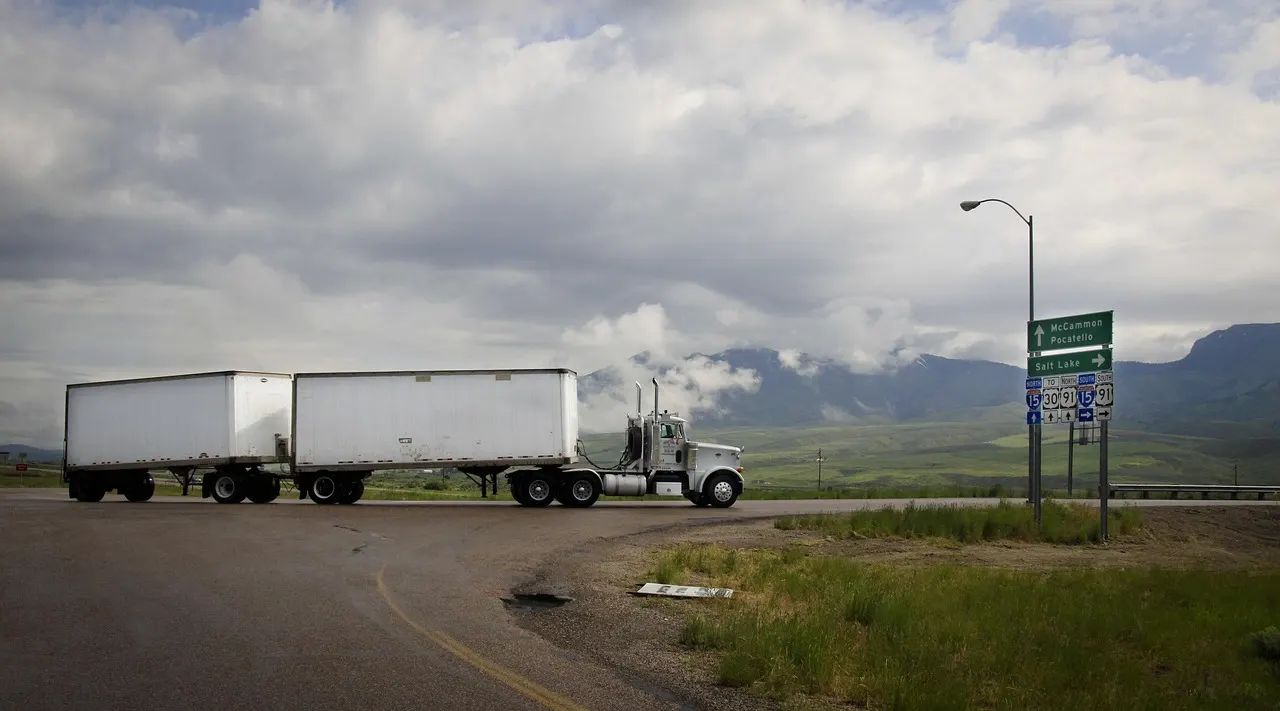
Full truckload (FTL) and less-than-truckload (LTL) are the two workhorses of domestic freight. Picking the right one comes down to how much you're shipping, how quickly it needs to arrive and how much handling it can take.
When LTL makes sense
LTL combines your freight with shipments from other customers headed the same way. You pay for the space you use, which usually makes it the most cost-effective choice for a few pallets.
- Roughly 1–6 pallets or under about 10,000 lb
- Freight that is palletized, wrapped and ready for handling
- Some flexibility on transit time
When FTL makes sense
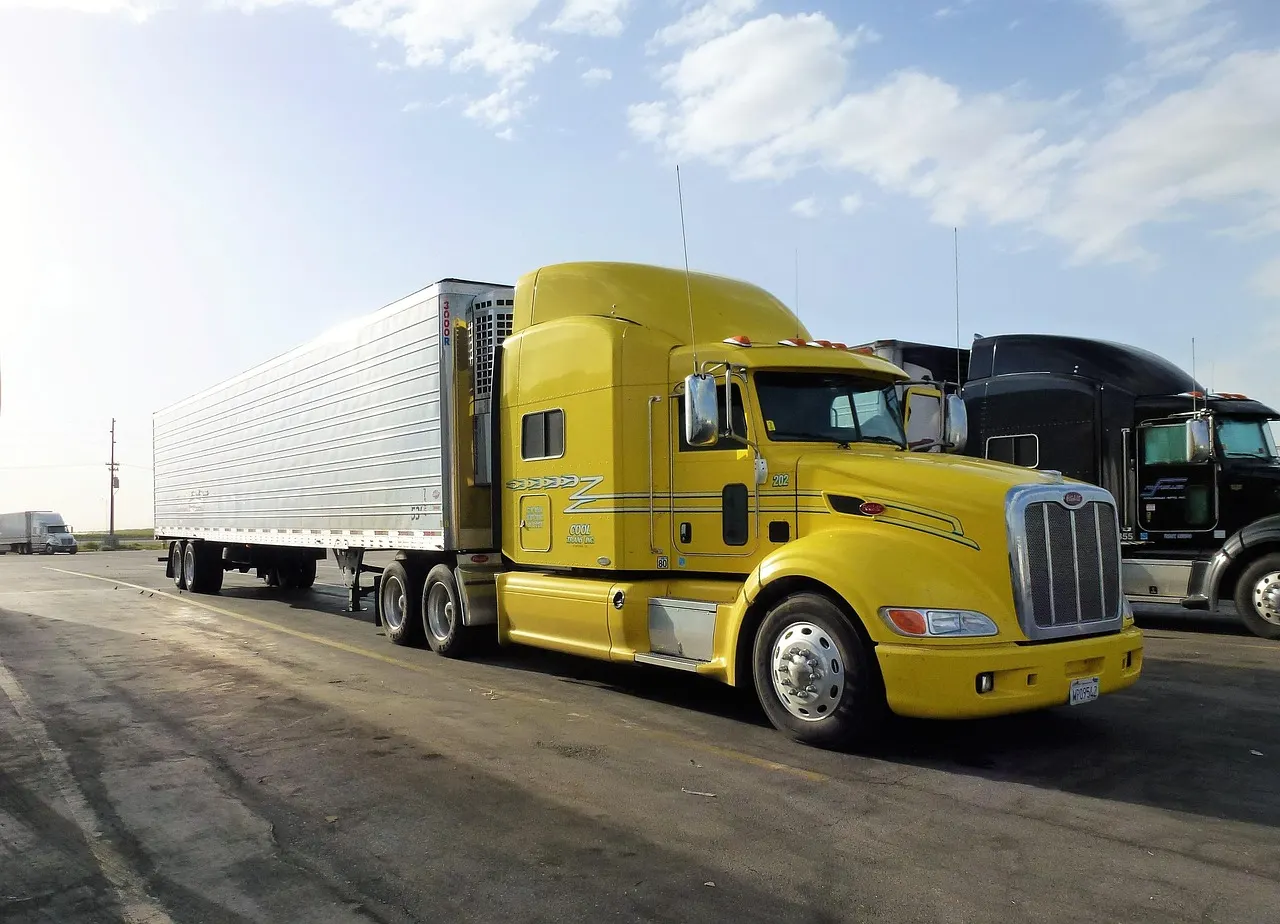
With FTL, a trailer is dedicated to your freight. It's loaded once at pickup and delivered direct, with no stops for anyone else's shipments — fewer touches and a simpler schedule.
- Enough freight to fill most of a 53′ trailer
- Fragile or high-value goods that shouldn't be handled repeatedly
- Tight delivery windows
The in-between: partial truckload
If your shipment is too big for typical LTL but won't fill a trailer, partial truckload can be the sweet spot. Your contact can compare options for your lane before you commit.